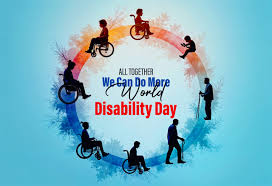
The International Day of Persons with Disabilities is a globally recognized observance that highlights the importance of inclusion, equality, and respect for individuals living with disabilities. More than just an awareness day, it serves as a reminder that disability is not a weakness but a part of human diversity. At Nurturers, this day strongly reflects our commitment to supporting children with special needs through early identification, therapeutic intervention, and family guidance.
World Disability Day Is Celebrated On 3rd December
Many people ask, world disability day is celebrated on which date? It is observed every year on 3rd December. The United Nations introduced this day in 1992 to raise awareness about disability issues and promote the rights and well-being of persons with disabilities worldwide. Over the years, world disability day has become a powerful platform to encourage inclusive policies, accessible environments, and equal participation in society.
The Purpose of World Disability Day
The core purpose of world disability day is to bring attention to the challenges faced by individuals with disabilities and highlight the need for social inclusion. Many limitations arise not from the disability itself but from lack of awareness, accessibility, and acceptance. This day urges communities, institutions, and governments to remove these barriers and create supportive systems that allow individuals to live with dignity and independence.
Understanding International Disability Day
International disability day, officially known as the International Day of Persons with Disabilities, focuses on empowering individuals with physical, intellectual, sensory, and developmental disabilities. Each year, the day is observed with a specific theme that addresses inclusion, innovation, accessibility, and equal opportunities. These themes guide global conversations toward sustainable solutions rather than temporary awareness.
Types of Disabilities in Children
Understanding the types of disabilities in children is essential for early support and effective intervention. Disabilities in children may affect movement, learning, communication, behavior, or daily functioning. Common types include developmental disabilities such as autism spectrum disorder, ADHD, speech and language delays, intellectual disabilities, and learning disorders. Physical conditions like cerebral palsy and sensory impairments such as hearing or vision loss are also included. Recognizing these types early allows families to seek timely therapy and support.
Categories of Disabilities
Disabilities are often grouped into broader categories of disabilities to help professionals plan care and services more effectively. These categories generally include physical disabilities, intellectual disabilities, sensory disabilities, developmental disabilities, and psychosocial or behavioral conditions. Categorization does not define a child’s potential; instead, it helps in understanding individual needs and creating personalized intervention strategies that support overall development.
Causes of Disability
The causes of disability can vary widely and may occur before birth, during birth, or after birth. Genetic conditions, prenatal infections, premature birth, lack of oxygen during delivery, and early childhood illnesses are some common causes. In some cases, environmental factors, nutritional deficiencies, or accidents may also contribute. Understanding the causes of disability helps reduce blame and stigma while emphasizing the importance of medical care, early screening, and preventive healthcare.
Importance of Awareness for Children With Special Needs
For children with developmental challenges, international disability day plays a crucial role in spreading awareness about early signs, assessment, and intervention. Awareness empowers parents to seek help without fear and helps society understand that children with disabilities can learn, grow, and succeed with the right support. Early therapy can significantly improve communication, independence, and social skills.
Breaking Stigma and Promoting Inclusion
One of the strongest messages of the International Day of Persons with Disabilities is the need to break stigma. Many families delay intervention due to social pressure or misinformation. Observances like world disability day help shift mindsets from sympathy to support and from labeling to inclusion. Inclusive schools, accessible spaces, and understanding communities play a vital role in improving quality of life.
Role of Families, Educators, and Healthcare Professionals
Families, educators, therapists, and healthcare professionals work together to support children with disabilities. International disability day highlights the importance of collaboration, early diagnosis, individualized therapy plans, and emotional support. When these efforts align, children gain confidence, functional skills, and a sense of belonging.
How Nurturers Supports the Vision of World Disability Day
At Nurturers, we follow the values promoted on world disability day by offering structured therapies, individualized care, and parent education. Our goal is not just therapy but empowerment—helping children build skills while guiding families with compassion and clarity. Observing the International Day of Persons with Disabilities reinforces our dedication to inclusion and holistic child development.
Creating an Inclusive Future
Recognizing international disability day is only the beginning. True inclusion requires continuous awareness, acceptance, and action. When society understands why world disability day is celebrated on 3rd December, it strengthens the commitment to equality, accessibility, and respect for all individuals.
Conclusion
The International Day of Persons with Disabilities reminds us that every child deserves understanding, opportunity, and support. By acknowledging world disability day and international disability day, and by learning about the types of disabilities in children, categories of disabilities, and causes of disability, we move closer to a more inclusive and compassionate society. At Nurturers, we remain committed to nurturing abilities, celebrating differences, and supporting every child’s unique journey.